Loading...
Support Democracy in Africa
Your M-Pesa donation directly funds inter-party dialogue across the continent.
News · April 28, 2026 · AIPDN Editor
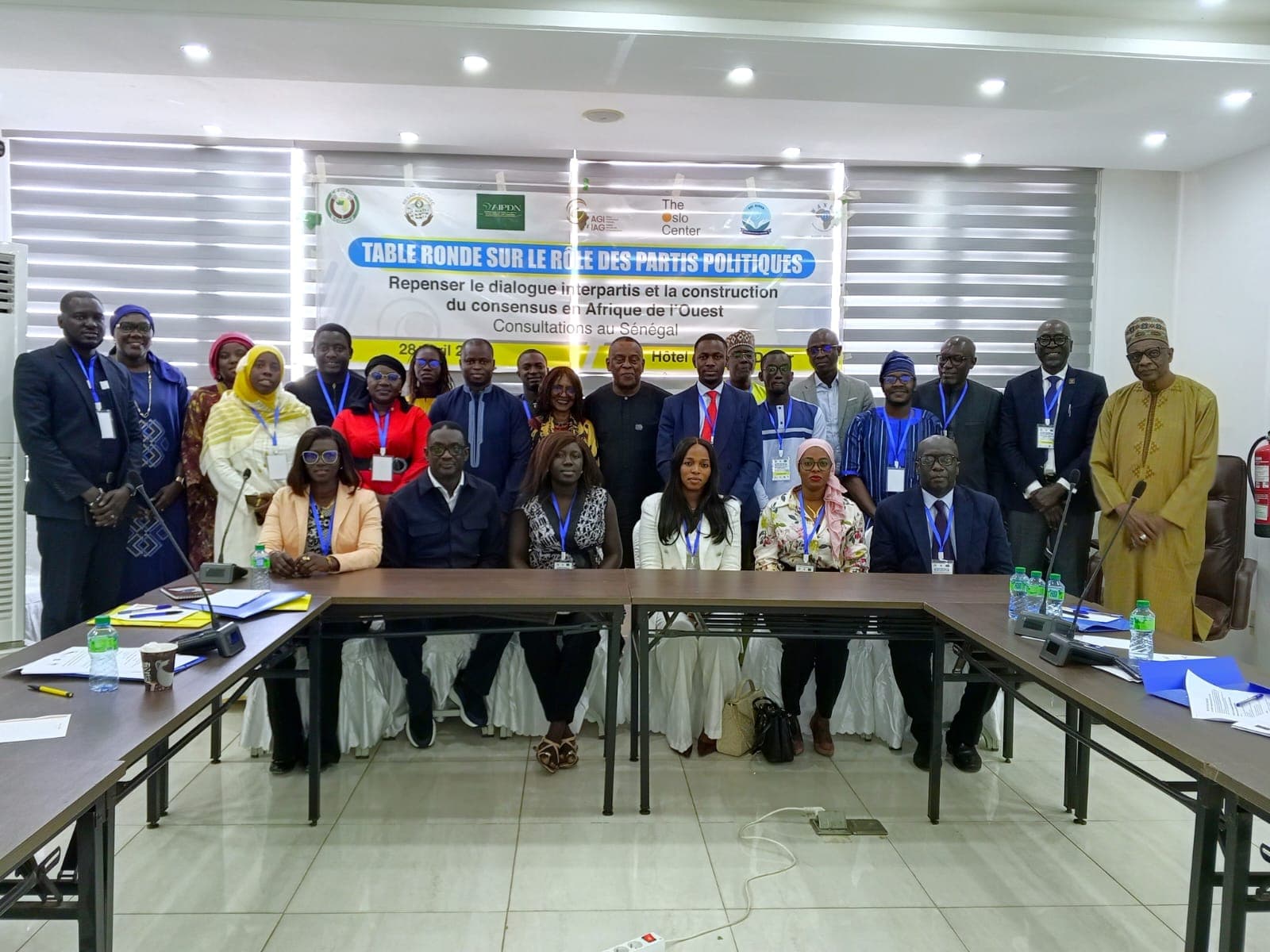
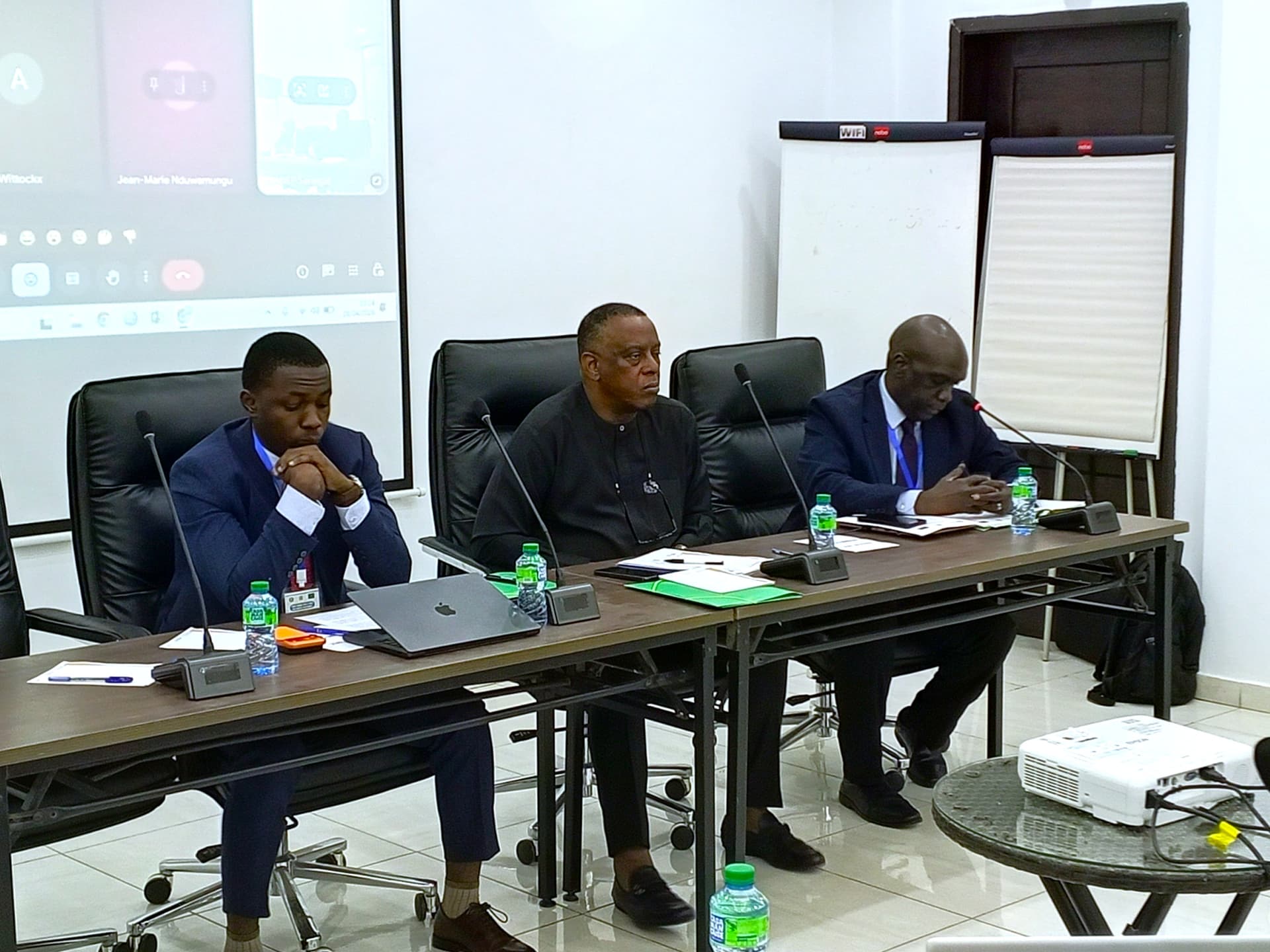
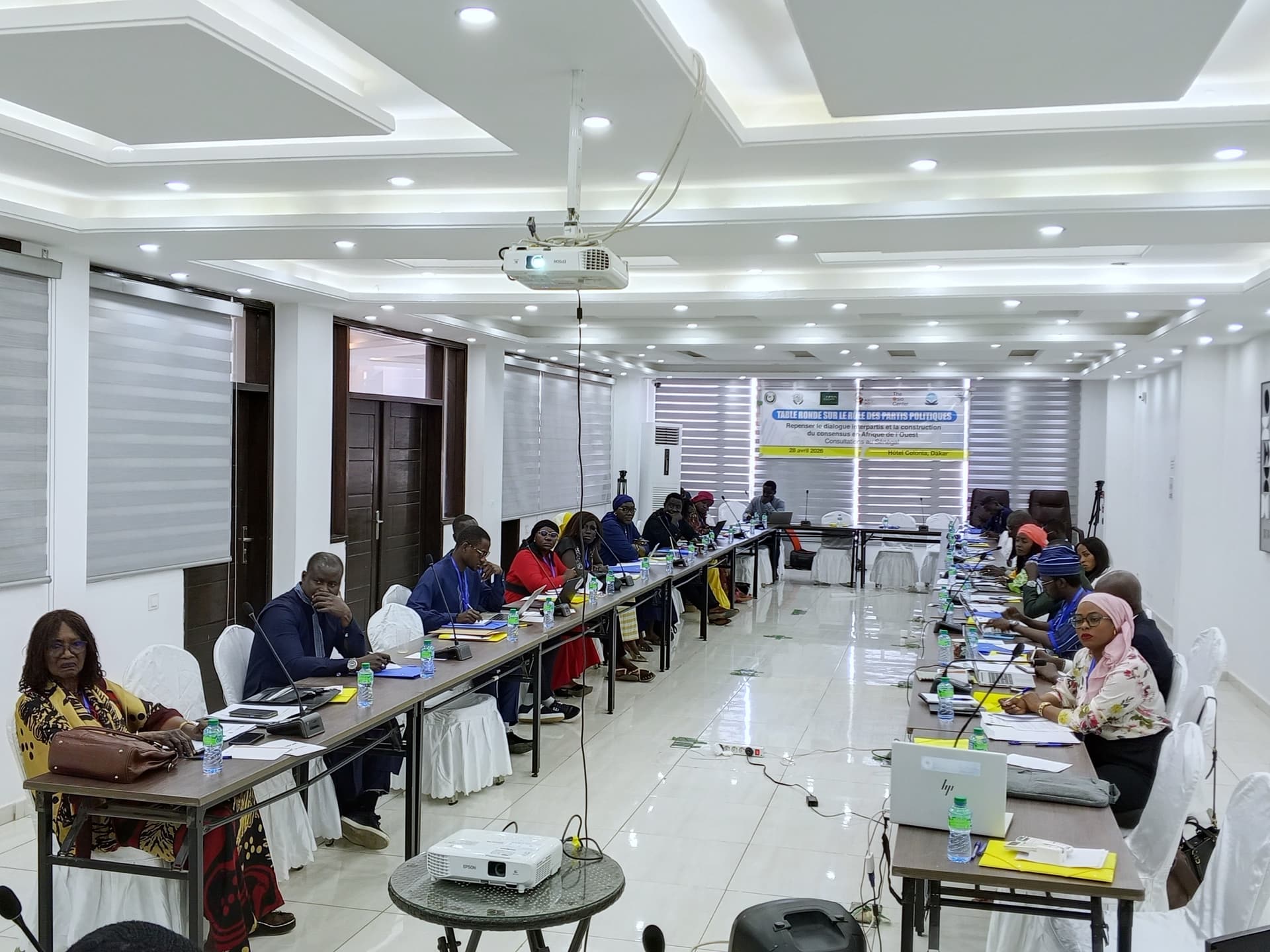
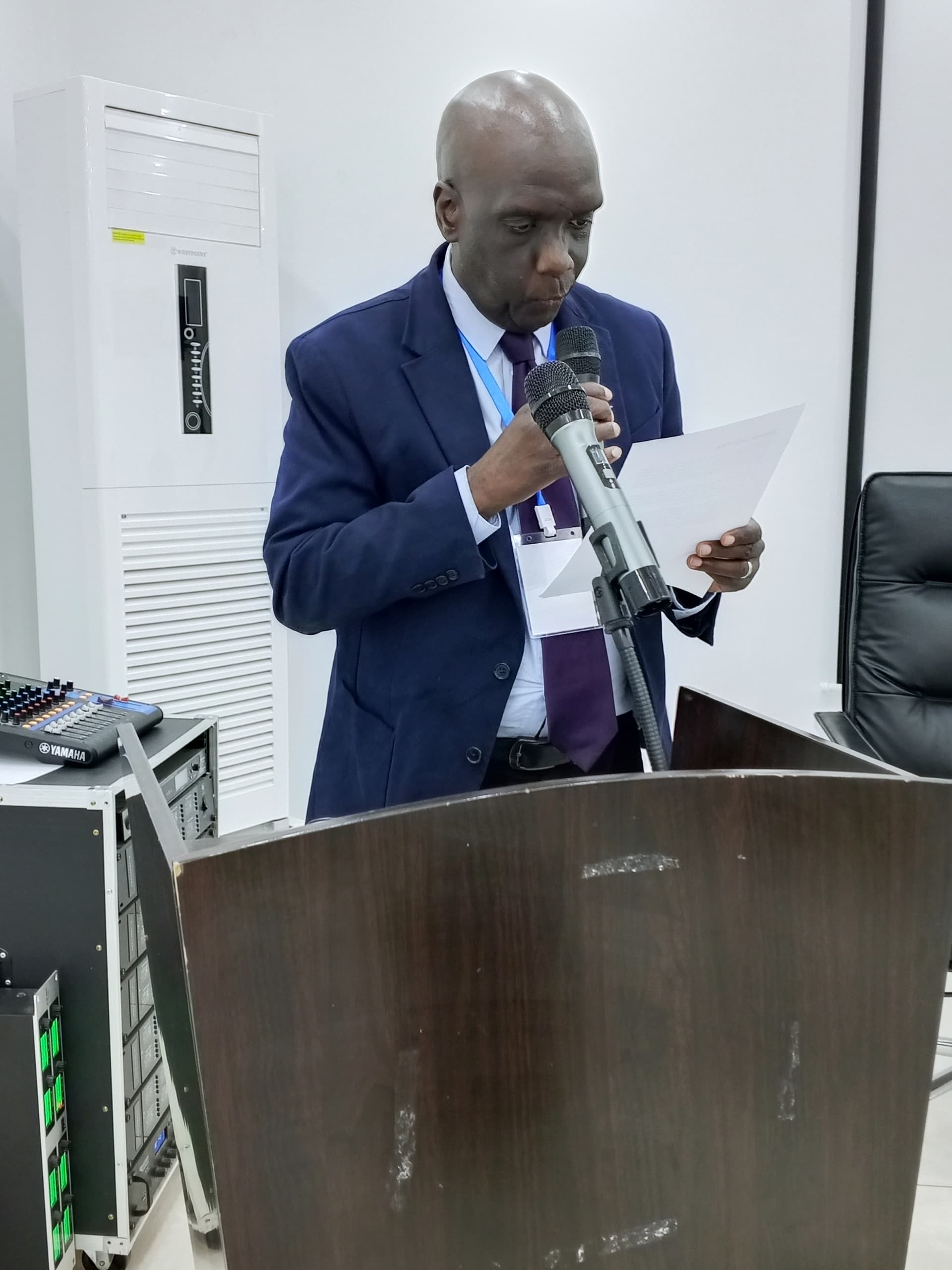
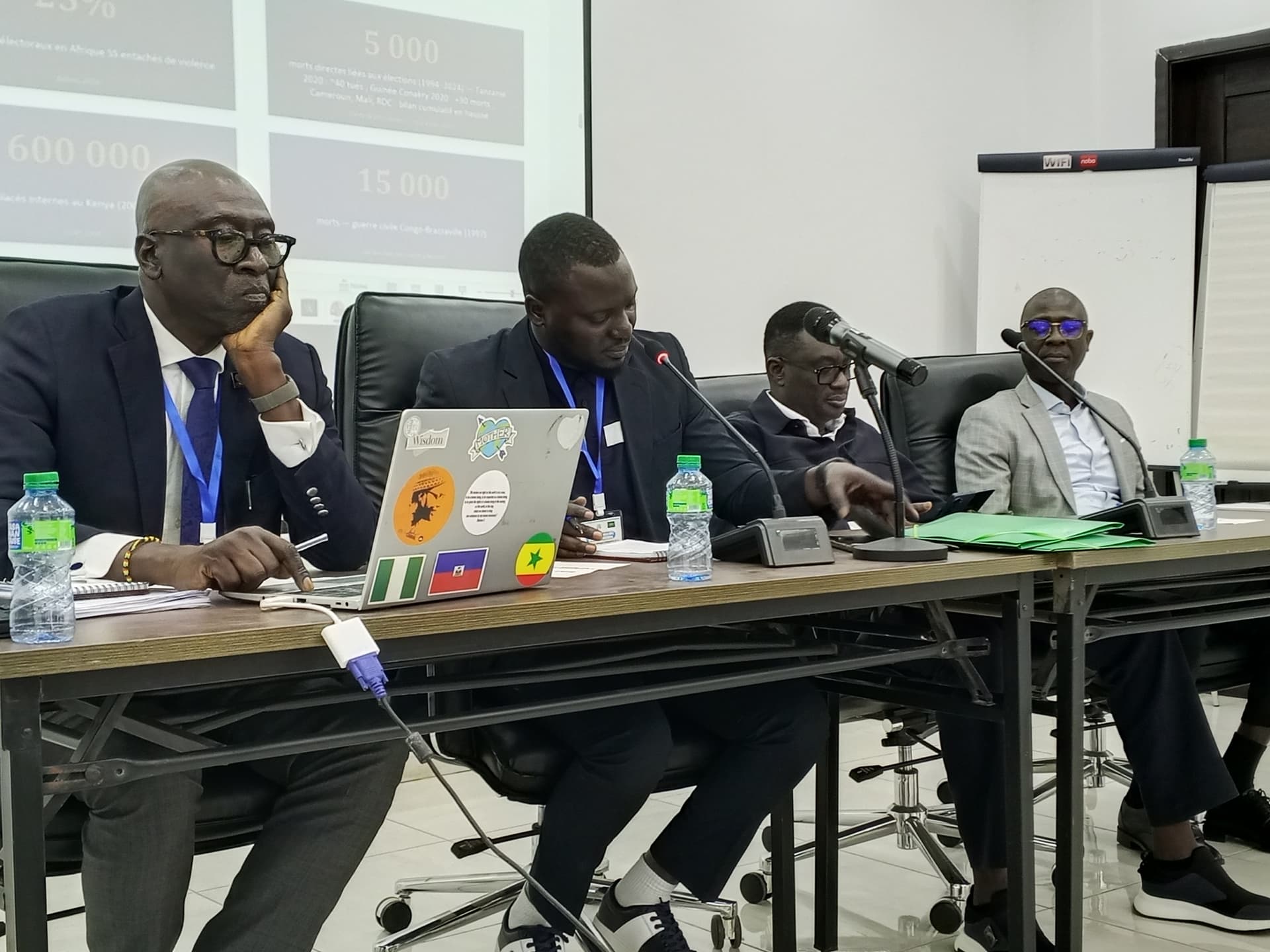
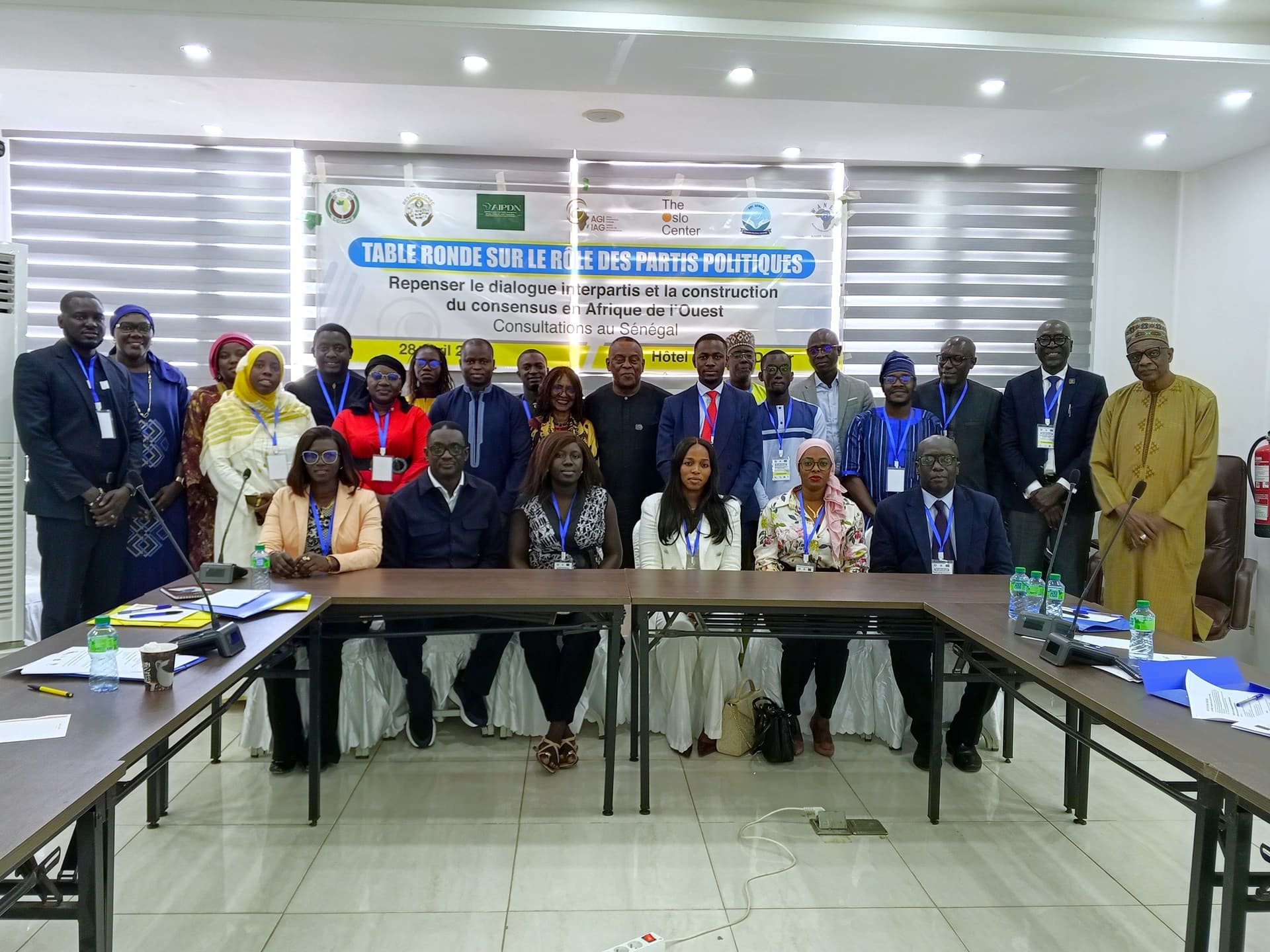
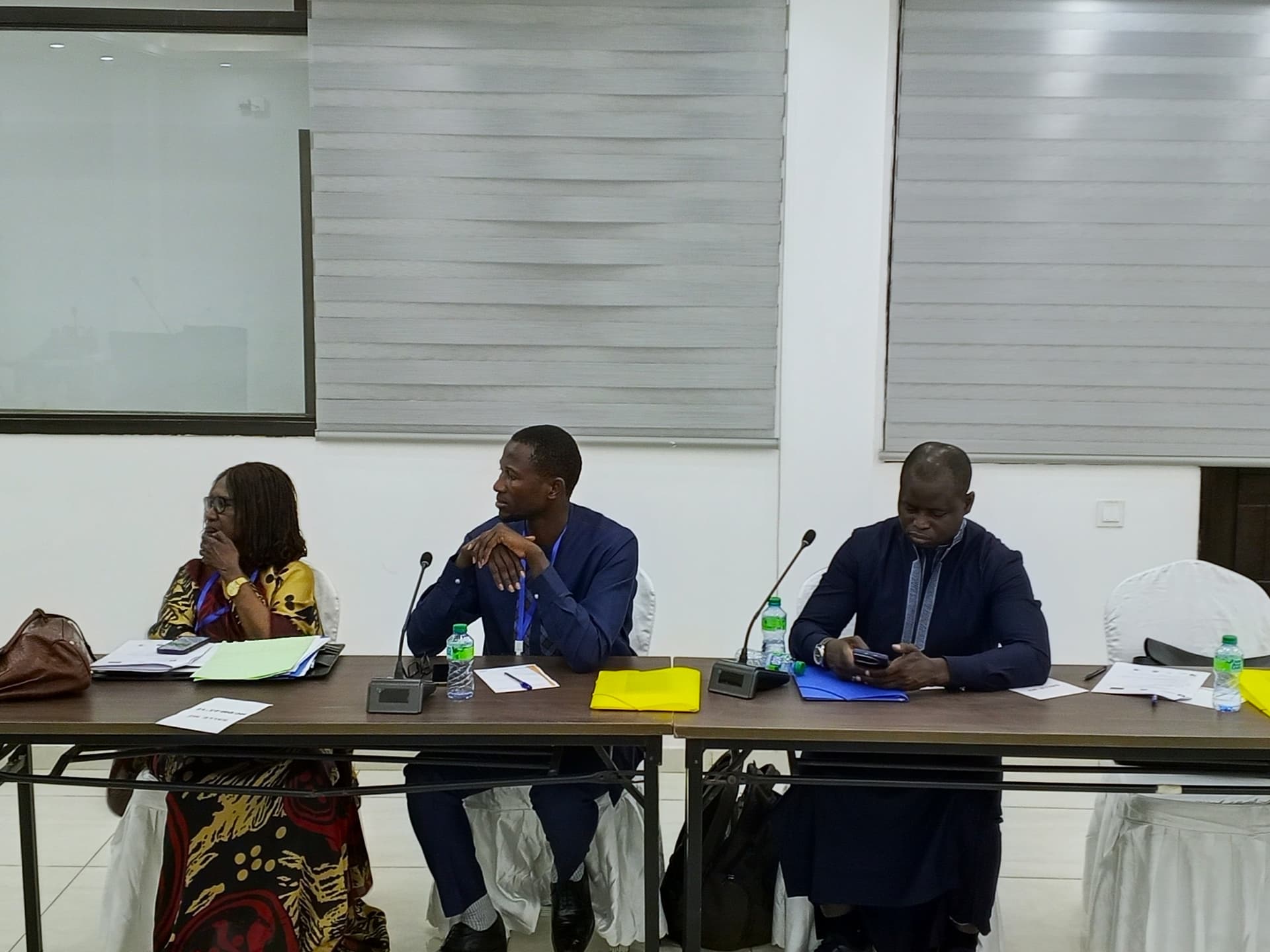
On 28 April 2026, the African Inter-Party Dialogue Network and the ECOWAS Commission convened a high-level regional roundtable at the Hôtel Colonia in Dakar, Senegal. Approximately forty political leaders met with representatives of electoral management bodies, civil society organisations, and regional bodies to examine the state and future of inter-party dialogue in West Africa amid growing democratic fragility.
The convening was organised in collaboration with the ECOWAS Network of Electoral Commissions (ECONEC), the African Governance Institute (AGI / IAG), the Oslo Center, the Prospect Peace Institute Africa, and WANEP-Senegal. Participants debated the evolving role of political parties, the effectiveness of existing dialogue mechanisms, and the lessons to be drawn from resilient democratic contexts in the region.
A central paradox emerged from the discussions. Inter-party dialogue is widely recognised as essential for democratic stability, yet across West Africa it remains inconsistently applied, weakly institutionalised, and frequently undermined by mistrust, political exclusion, and limited enforcement. Permanent dialogue platforms were viewed as more credible than ad hoc, executive-led processes, which often face legitimacy challenges among opposition actors.
Participants identified the instrumentalisation of legal frameworks, often referred to as lawfare, as a growing systemic risk. Concerns include the use of judicial processes to disqualify candidates, administrative barriers to political participation, and unequal access to state resources. Political exclusion affects opposition actors, women and youth, and minority and marginalised groups. In highly centralised systems, the roundtable observed, electoral competition becomes existential, intensifying mistrust and reducing incentives for cooperation.
The recommendations drew directly on existing ECOWAS norms. Article 36 of the ECOWAS Supplementary Protocol on Democracy and Good Governance (A/SP1/12/01) calls on Member States to institutionalise national mediation systems, while Article 53(i) of the ECOWAS Conflict Prevention Framework (2008) encourages permanent platforms that bring electoral bodies, parties, security services, media, and civil society into structured engagement. Participants called on the ECOWAS Commission to integrate this support into routine engagement with Member States and on the ECOWAS Early Warning and Response Network (ECOWARN) to monitor the functioning of dialogue mechanisms as a structural risk indicator. The roundtable noted, by way of example, that the breakdown of political dialogue in Benin could have served as an early warning signal ahead of the attempted coup of 7 December 2025.
The roundtable closed on a clear position: West Africa must shift from ad hoc to permanent dialogue mechanisms, from elite-driven to inclusive participation, from reactive crisis response to preventive governance, and from politically controlled to independent systems. The full eight-page report is available for download below and on the Publications page.