Loading...
Support Democracy in Africa
Your M-Pesa donation directly funds inter-party dialogue across the continent.
News · January 30, 2026 · AIPDN Editor
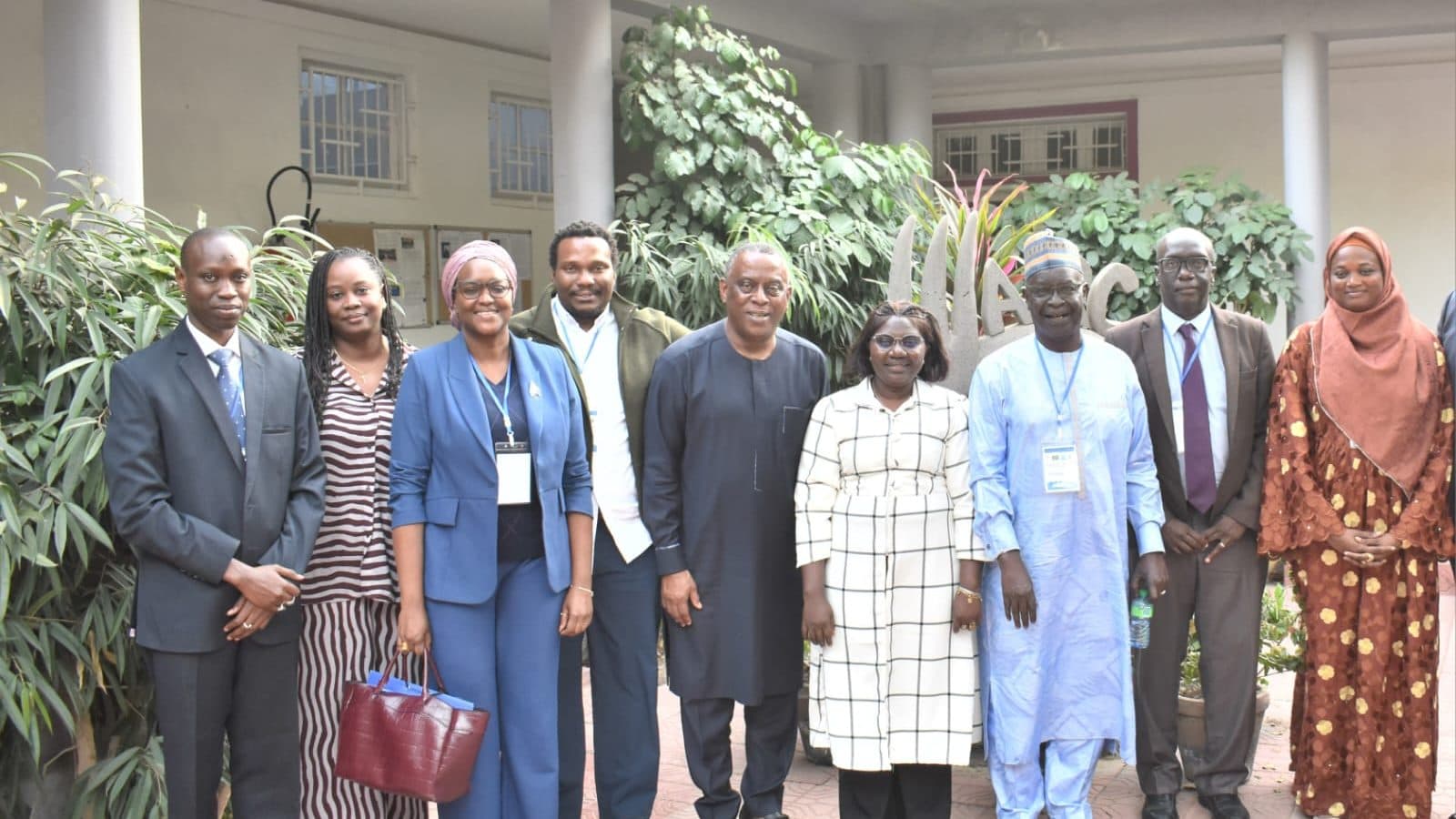
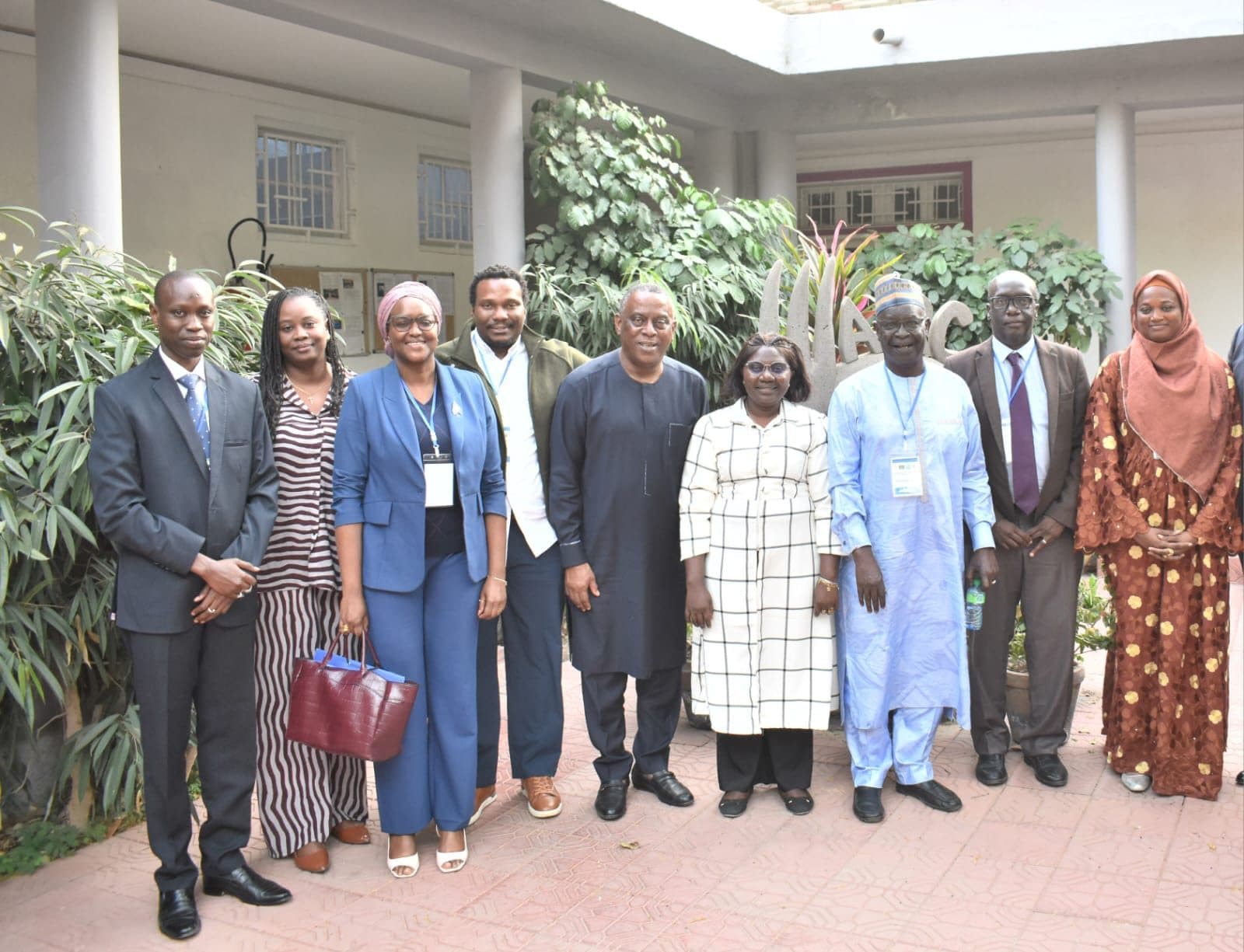
The Training Programme on Diplomacy, Negotiation and Mediation, jointly organised by the African Inter-Party Dialogue Network (AIPDN), the West Africa Research Center (WARC), and the University of Nairobi's Institute of Diplomacy and International Studies (IDIS), was successfully held from 26 to 30 January 2026 at WARC in Dakar, Senegal.
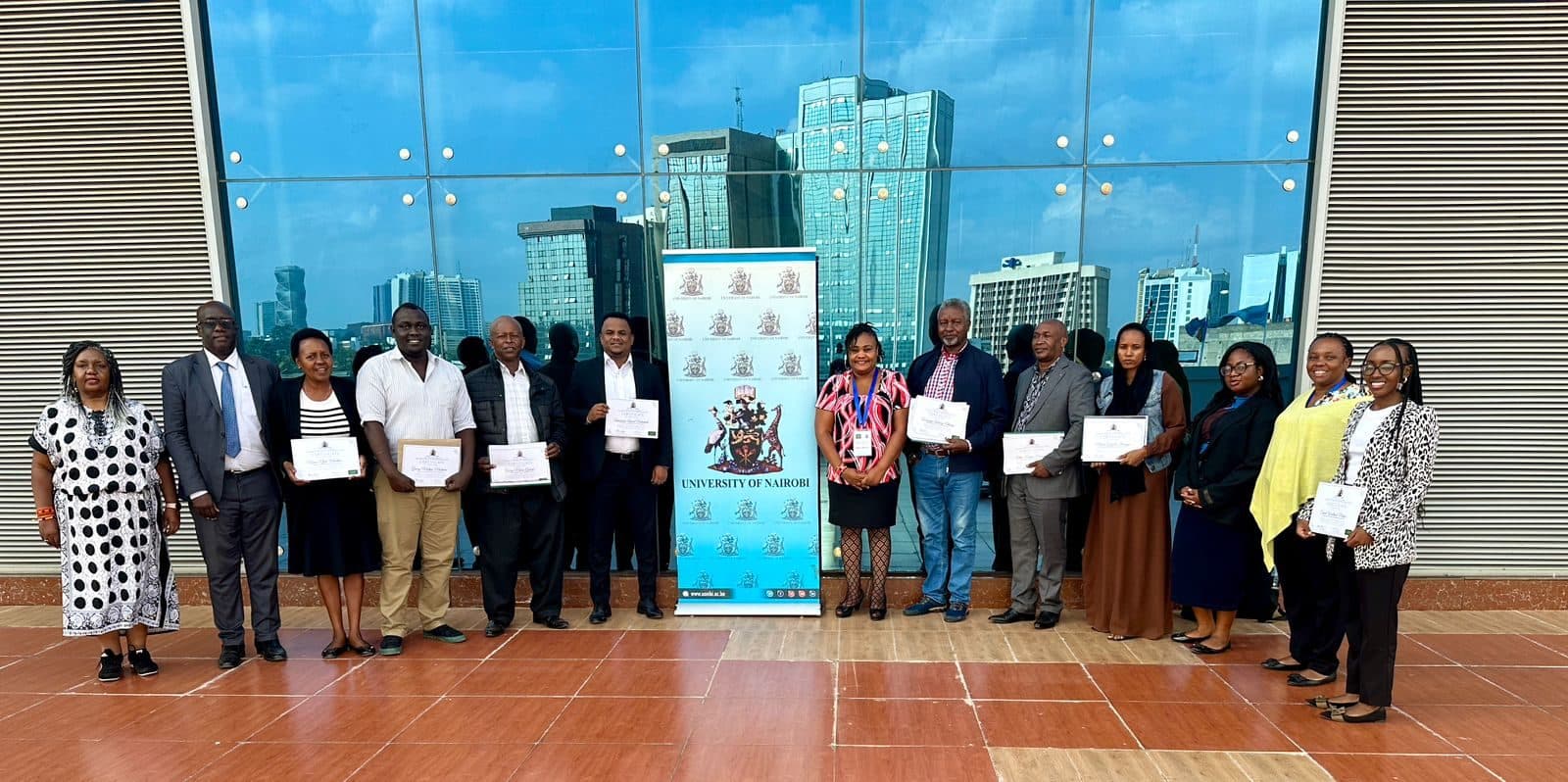
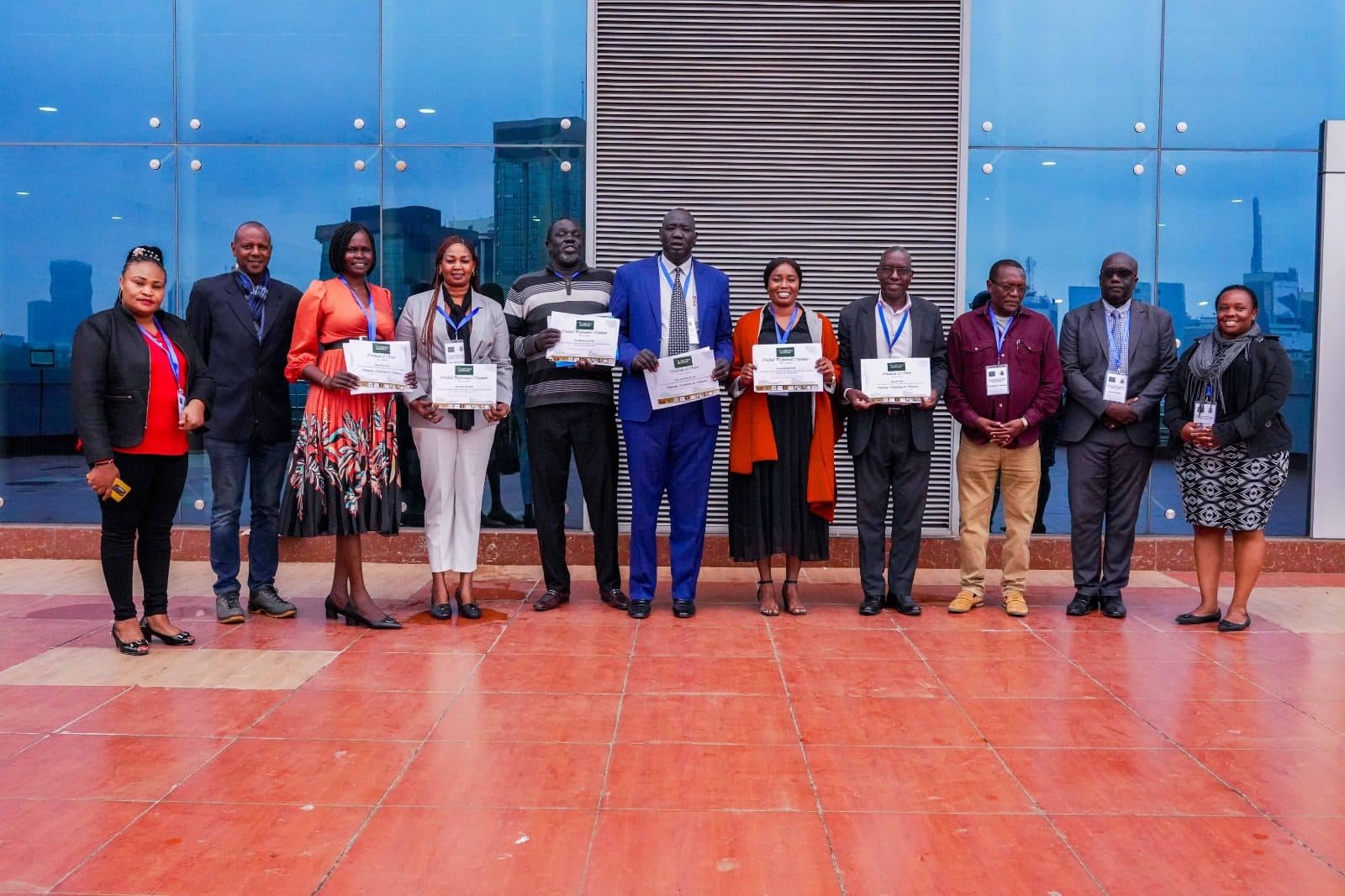
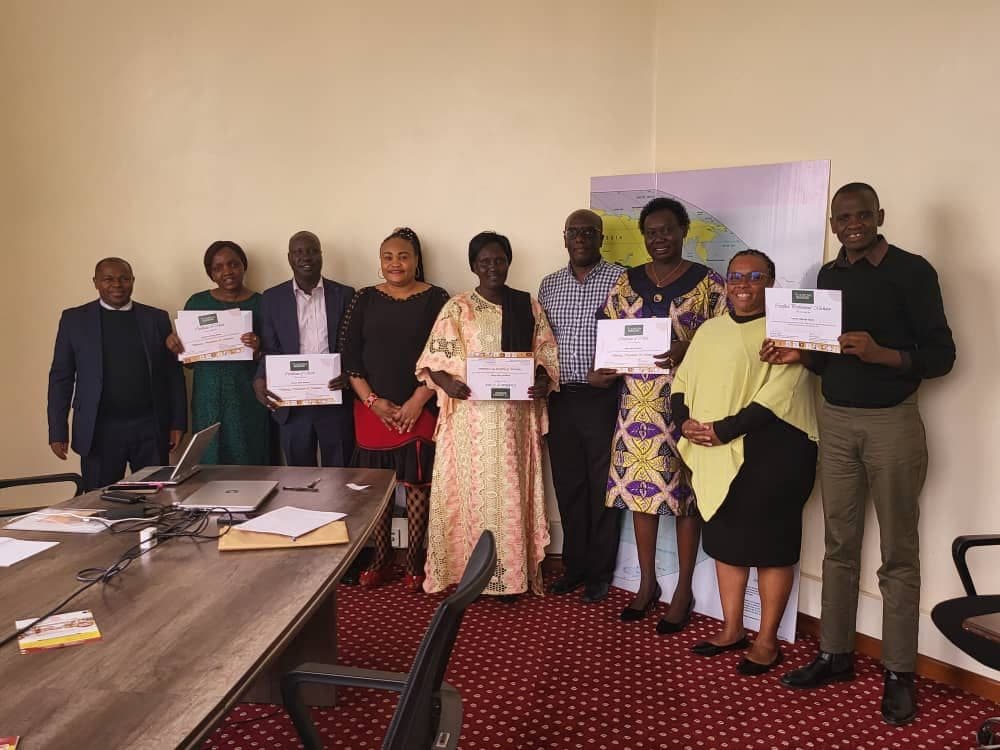
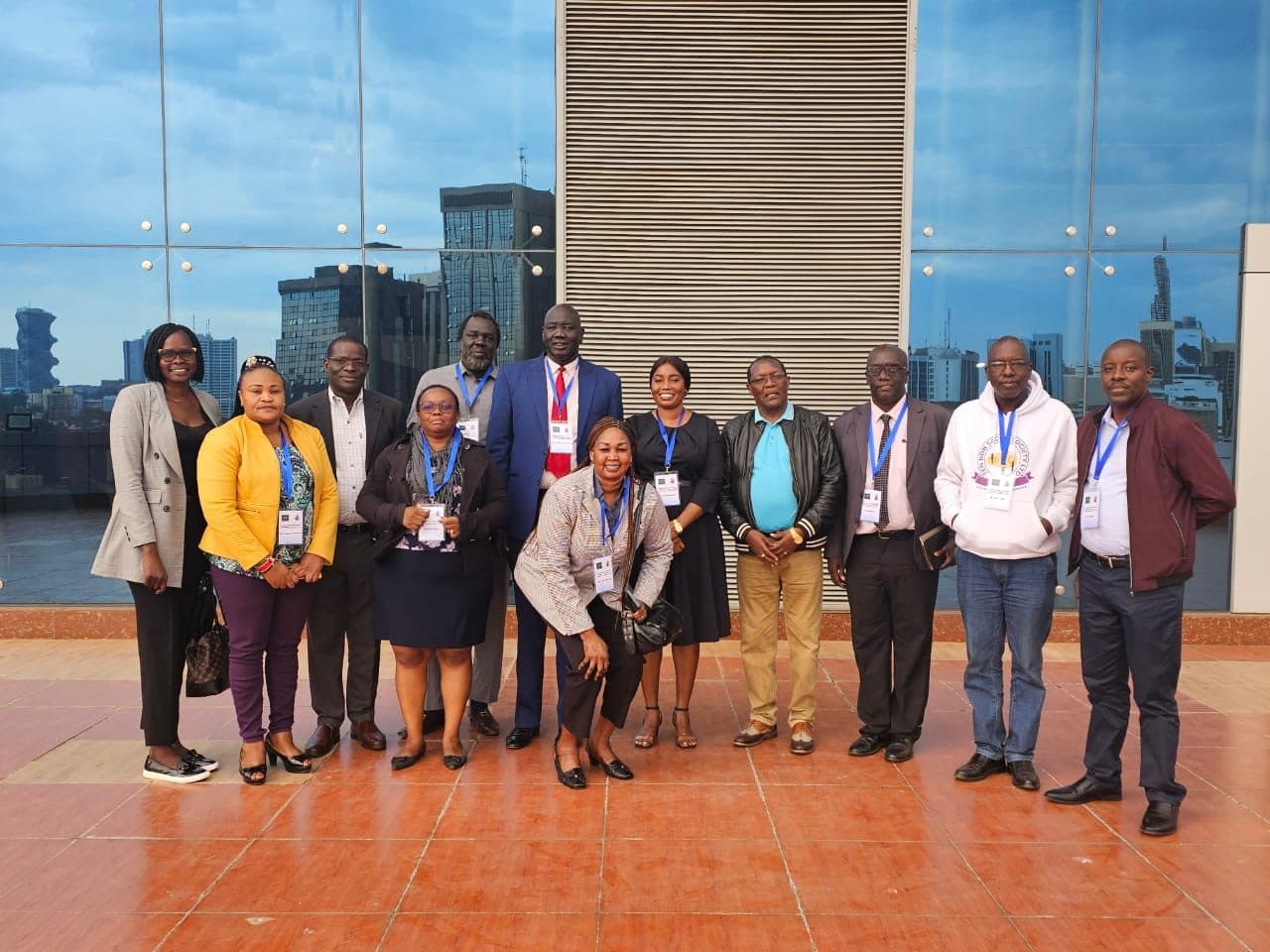
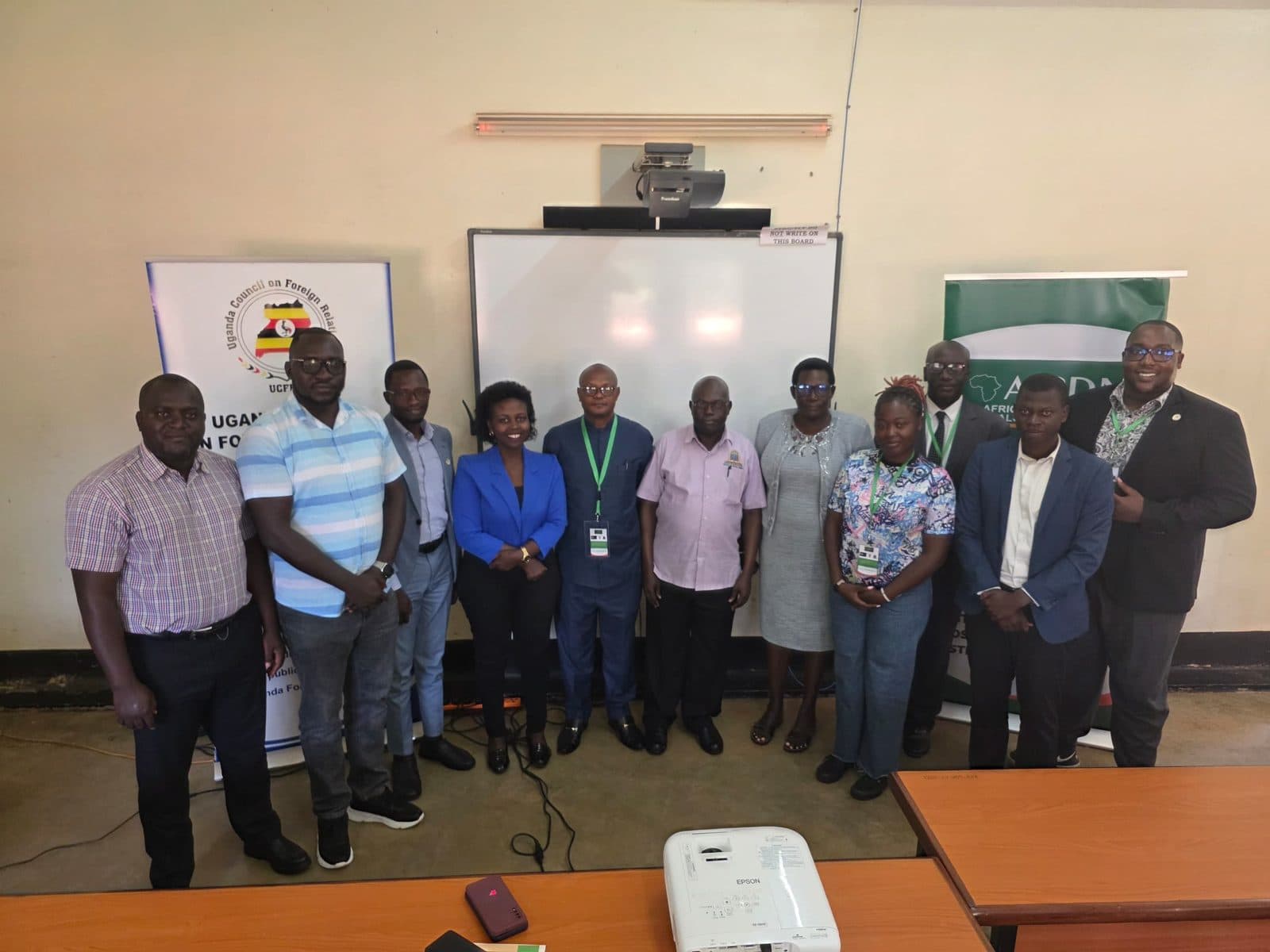
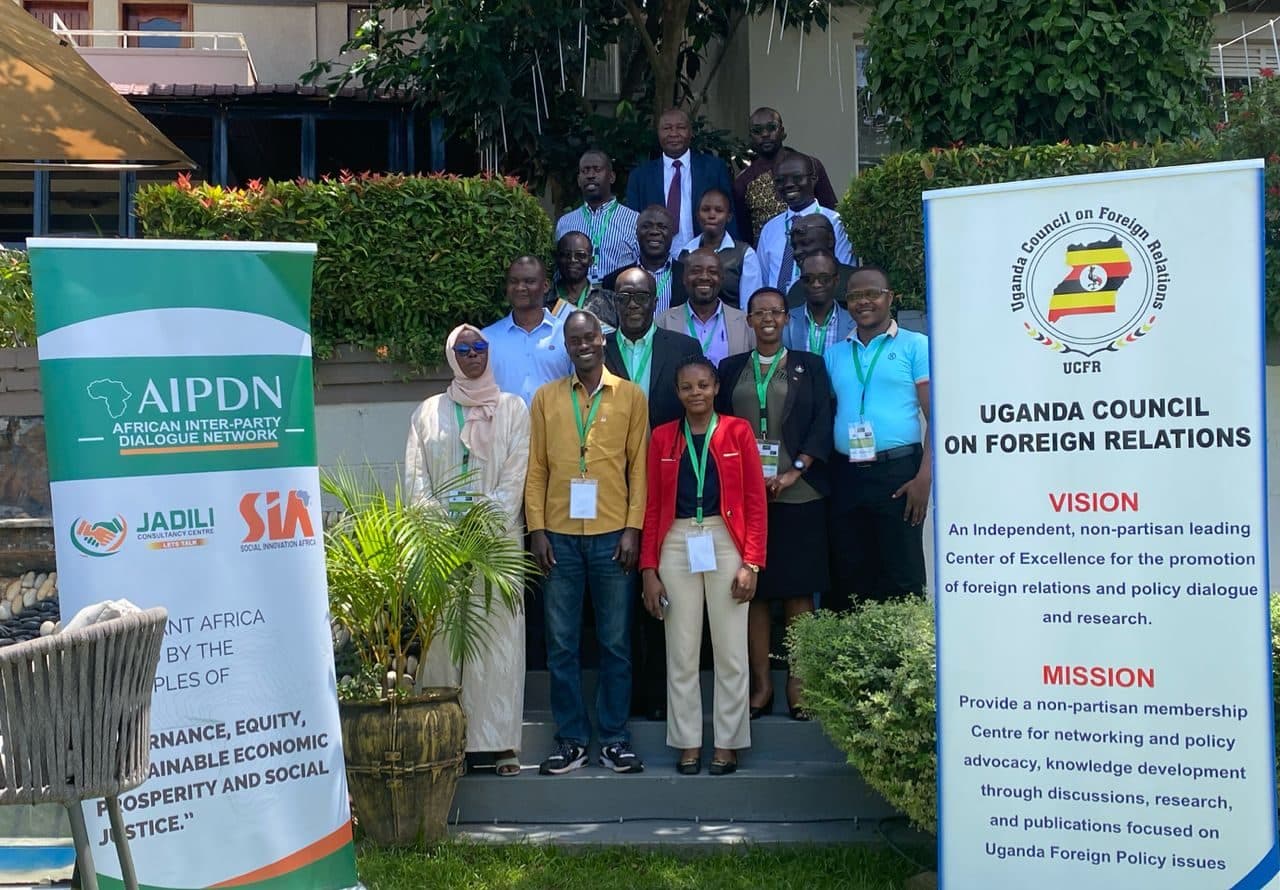
The training was the first of its kind to be held in West Africa, building on previous programmes conducted in Kenya and Uganda in 2024 and 2025. Across these training programmes, a total of 120 participants have been engaged, representing diverse professional and institutional backgrounds, including Members of Parliament, civic leaders, government officials from the Ministries of Foreign Affairs and Defence, religious leaders, academics, and civil society representatives.
The high-level programme brought together participants from research and academia, government institutions, and civil society organisations. This diversity of perspectives enriched the discussions and facilitated meaningful exchanges on diplomacy, conflict prevention, negotiation, mediation, and peacebuilding.
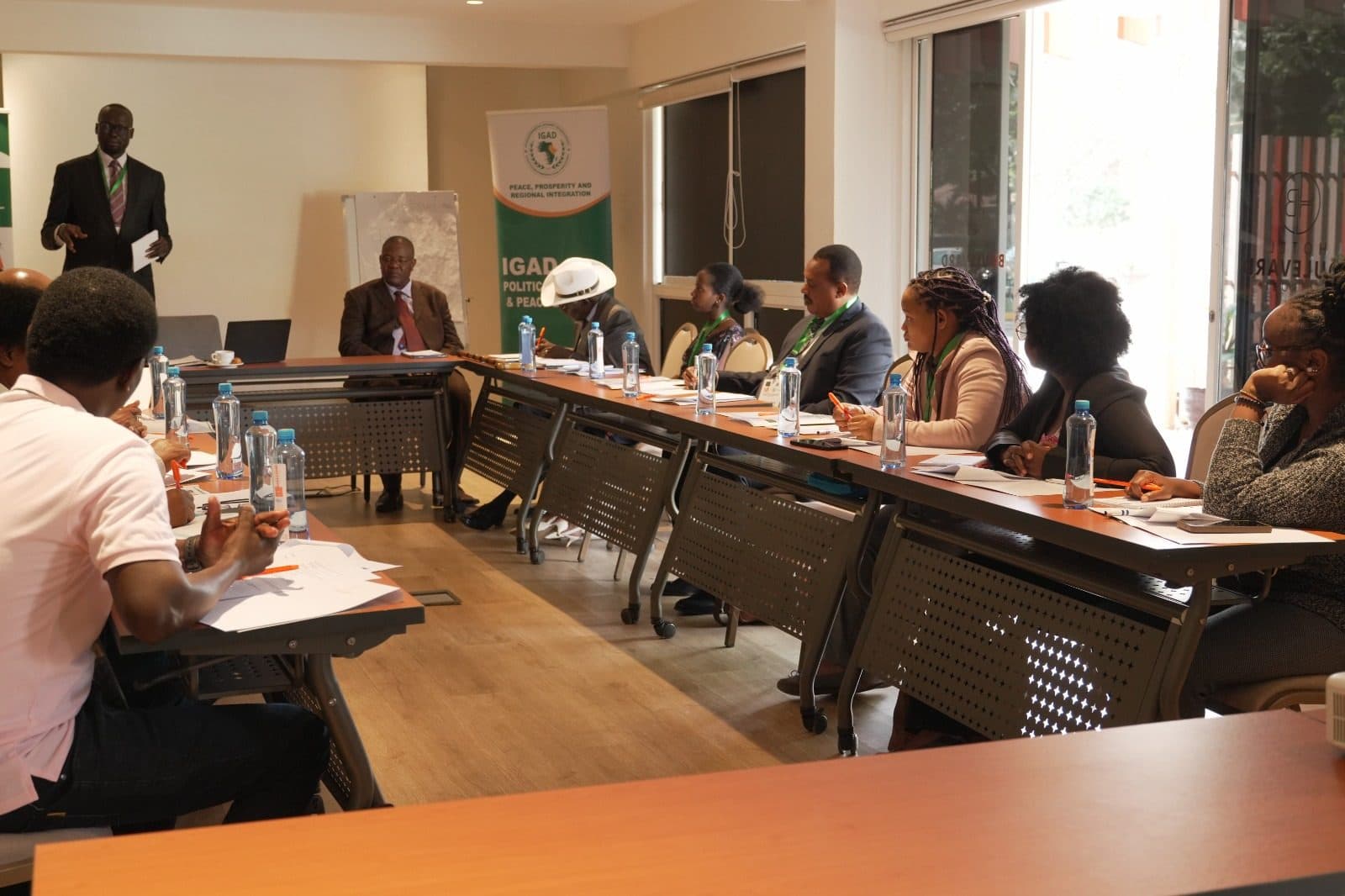
The training adopted an interactive and practice-oriented methodology, combining expert presentations, case studies, simulations, group exercises, and plenary discussions. Participants engaged actively throughout the programme, strengthening both their theoretical understanding and practical skills in diplomacy, negotiation, mediation, and dialogue facilitation.
The programme benefited from the expertise of distinguished resource persons from the University of Nairobi's Institute of Diplomacy and International Studies (IDIS), Prospect Peace Institute Africa, the Senegalese Foreign Service, as well as relevant government departments and partner institutions. Their knowledge and practical experience contributed significantly to the quality and relevance of the sessions.
Overall, the programme was successfully implemented and was well received by participants, who particularly highlighted the relevance of the content, the quality of facilitation, and the practical value of the training. The initiative made a meaningful contribution to strengthening capacities for peaceful conflict resolution, effective dialogue, and sustainable peacebuilding in Africa and beyond.